


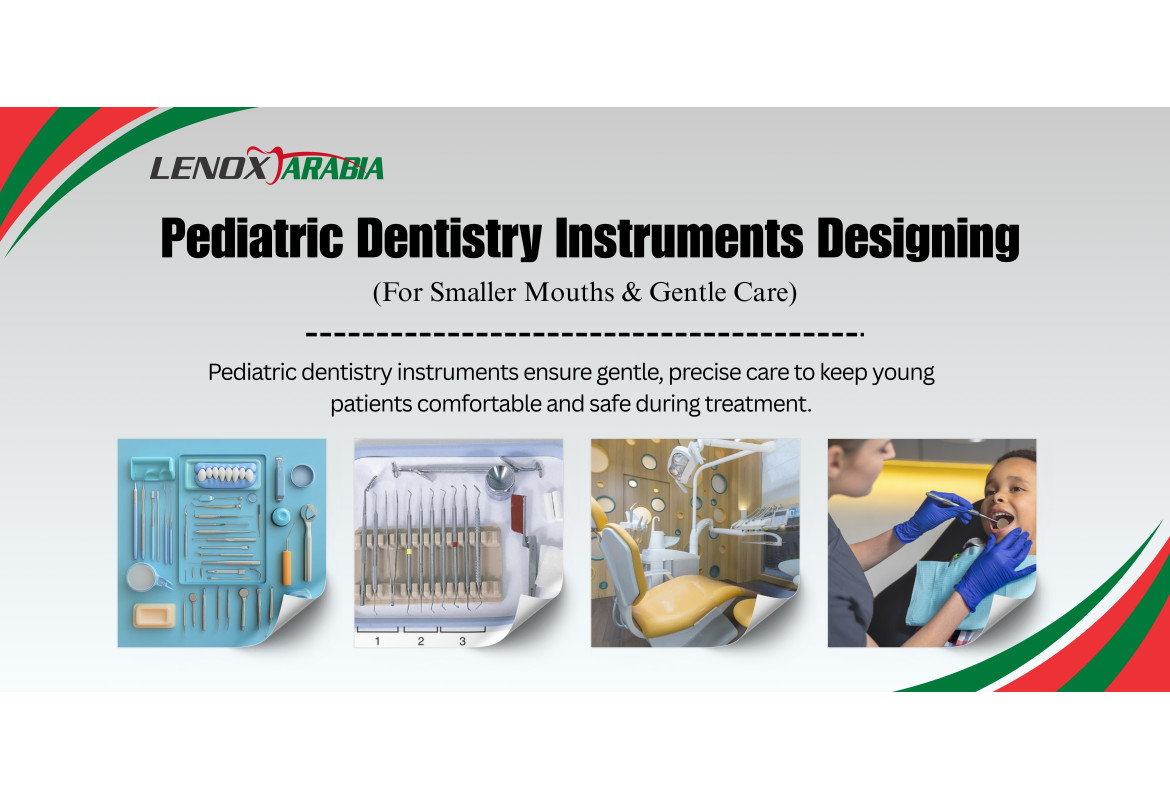
Understanding Pediatric Dental Tools for Tiny Teeth
Pediatric Dental Tools: Designing Instruments for Smaller Mouths and Gentle Care
Imagine a dental visit where your child
feels calm, curious, even a little excited. This isn’t a dream; it’s the
reality made possible by pediatric dental tools. These aren’t just smaller
versions of adult instruments; they are specialized medical devices,
meticulously engineered to accommodate a child’s unique oral cavity while
promoting the gentlest care and actively reducing anxiety. By integrating
miniature heads, ergonomic grips, and soothing aesthetics, these instruments
brilliantly address both the anatomical and psychological needs inherent in
pediatric dentistry.
In this comprehensive guide, you’ll
discover what truly makes pediatric dental instruments unique, the essential
design principles that define child-friendly care, key instrument categories,
powerful strategies for enhancing patient comfort, exciting emerging
innovations, and best practices for selecting the right tools. Whether you’re a
pediatric dentist seeking unparalleled precision or a manufacturer aiming to
optimize instrument performance, this overview maps every critical aspect of
pediatric instrument design for smaller mouths and genuinely gentle care.
What Are Pediatric Dental Instruments and Why Are They Different?
Think of pediatric dental instruments not
just as tools, but as tiny ambassadors of comfort and care. They’re specially
crafted medical devices, designed from the ground up for a child’s unique,
developing smile. What makes them truly different? It’s a thoughtful blend of
miniature size, gentle operation, and child-friendly aesthetics – all working
together to transform dental visits into safe, positive experiences. By
stripping away the bulk and sensory intimidation, these instruments don’t just
improve clinical precision; they build trust and ease for our youngest patients.
How Do Pediatric Dental Tools Accommodate Smaller Mouths?
It’s all about precision in miniature.
Pediatric tools are meticulously designed with smaller heads, slender shanks,
and shorter overall lengths. Why? To effortlessly navigate the delicate landscape
of a child’s mouth, reaching every nook and cranny while minimizing any contact
with sensitive soft tissues.
- Tiny Heads, Big View: Miniature head
diameters (just 0.6–1.2 mm!) mean dentists get crystal-clear visibility,
whether they’re working on front teeth or way in the back.
- Sleek Shanks, Clear Path: Shanks are
20–30% thinner, ensuring the dentist’s view is never obstructed, allowing for
confident, precise movements.
- Right-Sized Reach: Overall instrument
lengths are 10–20% shorter, making them incredibly maneuverable in those
wonderfully narrow oral cavities.
These thoughtful adjustments aren’t just
about fitting; they’re about empowering precise diagnostics and treatments in
even the most limited intraoral spaces, ensuring comfort and confidence for both
the child and their caring clinician.
What Psychological Factors Influence Pediatric Instrument Design?
Beyond the physical, pediatric instrument
design dives deep into the psychology of a child’s experience. We’re talking
about a deliberate blend of color psychology, reassuring tactile feedback, and
crucial noise reduction – all engineered to melt away fear and build unwavering
trust during those vital dental visits. Imagine calming hues like soft blues
and gentle greens, transforming a potentially intimidating tool into something
non-threatening, even inviting. Picture textured silicone grips, not just for
stability, but for a reassuring feel that communicates safety. And hear the
difference: quiet motorized handpieces, operating below a conversational 60 dB,
gently reduce auditory stress, fostering cooperation and shaping a truly
positive perception of care.
Understanding the Essential Elements of Pediatric Dental Instruments
Before we dive deeper into specific
categories, let’s get acquainted with the core elements that truly define the
pediatric instrument ecosystem. These aren’t just parts; they’re the building
blocks of gentle, effective care:
|
Entity |
Attribute |
Value |
|
Dental Handpiece |
Head Size |
0.8 mm |
|
Dental Explorer |
Tip Geometry |
Blunt, rounded |
|
Pediatric Forceps |
Handle Length |
10 cm |
|
Child-Sized Mirror |
Mirror Diameter |
15 mm |
|
Ergonomic Grip |
Material |
Medical-grade silicone |
Together, these essential
elements—handpiece, explorer, forceps, mirror, grip—work in harmony to ensure
pediatric dentistry is not just safe and precise, but genuinely comfortable for
every child.
What Are the Essential Design Principles for Child-Friendly Dental Instruments?
At the heart of truly effective pediatricinstrument design lie four foundational pillars. Think of them as the
cornerstones of child-friendly care: miniaturization, thoughtful ergonomics,
gentle aesthetics paired with quiet operation, and the use of biocompatible
materials. Every single principle isn’t just about enhancing clinical
performance; it’s about profoundly prioritizing patient comfort and dissolving
anxiety.
How Does Miniaturization Improve Pediatric Dental Care?
Miniaturization isn’t just about making
things smaller; it’s about unlocking unparalleled precision. By perfectly
matching instrument size to a child’s delicate oral anatomy, we gain effortless
access to primary teeth and those intricate developing occlusal surfaces. Compact
heads and slender shanks become the dentist’s allies, minimizing any potential
gingival trauma and dramatically improving visibility, especially in those
tricky posterior regions. The result? More accurate diagnostics and
significantly less discomfort for our young patients.
Why Is Ergonomics Critical for Pediatric Dental Tools?
For the dental professional, ergonomics
isn’t a luxury – it’s a necessity. Thoughtfully designed ergonomic grips and
perfectly balanced weight distribution are crucial for preventing practitioner
fatigue, allowing for sustained precision even when navigating the most
confined spaces. By meticulously optimizing handle diameter (ideally 8–10 mm)
and ensuring precise center-of-mass alignment, ergonomic instruments become an
extension of the hand. This translates directly into reduced wrist strain,
enhanced tactile feedback, smoother procedures, and ultimately, consistently
excellent outcomes for every child.
|
Instrument Type |
Grip Diameter |
Weight Distribution |
Benefit |
|
Pediatric Handpiece |
9 mm |
Balanced toward head |
Steadier control in small cavities |
|
Explorer |
8.5 mm |
Evenly balanced |
Enhanced tactile sensitivity |
|
Forceps |
10 mm |
Proximal-heavy distribution |
Secure grasp on primary teeth |
Ergonomic Instrument Design
Ergonomic design principles, such as handle
diameter and weight distribution, are critical for preventing practitioner
fatigue and supporting sustained precision when working in confined spaces.
How Do Gentle Aesthetics and Quiet Operation Reduce Child Anxiety?
Imagine a dental tool that doesn’t just
perform, but *comforts*. Instruments adorned with soft pastel coatings and
smooth, inviting contours instantly appear less intimidating, gently reducing
those harsh surface reflections that can easily startle a young patient. And
then there’s the sound – or rather, the lack of it. Quiet motorized components,
humming below a conversational 60 dB, skillfully avoid triggering fear
responses. This thoughtful design encourages genuine cooperation, transforming
the treatment environment into a haven of calm and trust.
Which Types of Pediatric Dental Instruments Are Designed for Smaller Mouths?
When we talk about pediatric instruments,
we’re looking at a specialized family of tools: miniature handpieces, precise
diagnostic tools, delicate restorative implements, and gentle extraction
devices. Each one has been meticulously reconfigured, not just to fit small
oral spaces, but to honor and protect fragile primary dentition.
What Are the Features of Miniature Dental Handpieces for Kids?
Miniature handpieces are true marvels of
engineering for young patients. They seamlessly combine a reduced head
diameter, exceptionally low noise output, and precise variable speed control –
all working in concert to support the gentlest cavity preparation and polishing
imaginable.
- High-Speed, Low Stress: Options
reaching up to 200,000 RPM, but crucially, with advanced noise dampening to
keep things calm.
- Controlled Low-Speed Power: Enhanced
torque at 20,000 RPM ensures safe, precise restorative work without
overwhelming the child.
- Whisper-Quiet Care: Sound levels
consistently below 60 dB, actively minimizing distress and fostering a peaceful
environment.
Together, these thoughtful features don’t
just facilitate; they *transform* procedures into swift, comfortable
experiences within any pediatric practice.
Miniature Dental Handpieces for Kids
Miniature head handpieces are designed for
pediatric dentistry to improve visibility and flexibility, while also being
gentle on children’s teeth and gums. These handpieces often incorporate
features like low noise levels and water sprayers for cooling, enhancing
patient comfort during procedures.
How Are Diagnostic Instruments Adapted for Pediatric Use?
Diagnostic instruments for children are
reimagined for safety and ease. Pediatric mirrors and explorers, for instance,
feature gentle blunt tips, smaller diameters, and often, vibrant color-coded
handles – not just to simplify identification, but crucially, to minimize any
risk of soft-tissue injury. And when it comes to digital imaging, radiographic
sensors for children are up to 30% smaller and often wireless, making
positioning a breeze and ensuring maximum comfort during those quick, essential
X-rays.
Digital Radiography in Pediatric Dentistry
Digital radiography offers numerous
benefits in pediatric dentistry, including reduced radiation exposure, enhanced
image quality, and improved diagnostic accuracy. Digital X-rays provide instant
images, allowing for quicker assessments and minimizing the time children spend
in the dental chair.
What Restorative Instruments Are Specialized for Primary Teeth?
Restorative instruments for primary teeth
are crafted with meticulous attention to detail. Composite instruments and
amalgam carriers, for example, boast shorter blades and narrower carrying
spaces, perfectly designed to navigate and fill those tiny cavities. Similarly,
matrix band systems for children utilize precise band widths of just 2–3 mm,
ensuring secure, gentle contouring without any undue pressure on delicate soft
tissues.
How Are Extraction Tools Designed for Pediatric Patients?
Even extraction tools are re-engineered for
the unique needs of pediatric patients. Pediatric forceps and elevators feature
specially angled beaks and reduced handle lengths, allowing for incredibly
controlled and gentle extractions of primary teeth. Enhanced grip textures and
robust heat-treated stainless steel further boost durability and tactile
stability, ensuring confidence and precision during these delicate procedures.
How Does Instrument Design Enhance the Pediatric Patient Experience?
This is where the magic happens. Instrument
design isn’t just about clinical function; it’s a powerful lever that directly
shapes a child’s comfort, their willingness to cooperate, and their entire
perception of dental care. By meticulously crafting tools that feel inherently
safe, look wonderfully inviting, and operate with a gentle quietness,
practitioners gain the power to transform dental visits. These aren’t just
appointments; they become positive, even cherished, experiences that lay the
foundation for lifelong oral health habits.
What Role Do Colorful and Non-Threatening Instruments Play in Fear Reduction?
Imagine a child’s eyes lighting up, not
with fear, but with curiosity. That’s the power of child-friendly color
palettes and thoughtfully playful shapes. They skillfully shift a child’s focus
from a perceived threat to an intriguing new object, dramatically reducing
pre-procedure anxiety. Brightly colored silicone grips, often featuring subtle,
engaging patterns, help children instinctively view instruments more like
friendly toys than intimidating medical devices. This simple shift in
perception encourages genuine cooperation, leading to smoother visits and
significantly less chair time.
Child-Friendly Instrument Design
Instruments designed specifically for
children often incorporate child-friendly colors, shapes, and features to
reduce anxiety and create a more welcoming environment. These design elements
help children view instruments as less intimidating, encouraging cooperation
and reducing chair time.
How Do Specialized Tools Support Behavior Management in Children?
Beyond aesthetics, specialized tools become
powerful allies in behavior management. Imagine instruments that subtly
incorporate distraction elements – perhaps detachable light-emitting tips that
captivate a child’s gaze, or gentle vibration modes that ease tension during
sensitive procedures. These clever features skillfully redirect a child’s
attention, making the experience far less daunting. And for those moments when
traditional behavior management isn’t quite enough, sedation-compatible
syringes with ergonomic plungers ensure the gentle, precise administration of
anxiolytics, always prioritizing the child’s comfort and safety.
Can Case Studies Demonstrate Improved Comfort with Pediatric Instruments?
Absolutely. The real-world impact of
thoughtful instrument design is undeniable. Consider a recent case: a leading
pediatric clinic reported a remarkable 45% reduction in procedure-related
distress simply by switching to miniature handpieces equipped with advanced
noise-dampening technology. Furthermore, the strategic incorporation of
color-coded mirrors and gentle blunt explorers consistently led to shorter
operative times and significantly higher parent satisfaction scores. These
aren’t just statistics; they’re powerful confirmations of the profound,
critical impact instrument design has on the entire patient experience.
What Innovations and Future Trends Are Shaping Pediatric Dental Instrument Design?
The world of pediatric dental instruments
is constantly evolving, driven by groundbreaking innovations and
forward-thinking trends. Emerging technologies and advanced materials are
continuously refining these vital tools, propelling us toward smarter, safer,
and even more personalized care solutions that brilliantly address the
ever-evolving clinical and patient needs.
How Is Digital Imaging Integrated into Pediatric Dental Tools?
Digital imaging is revolutionizing
pediatric dentistry, seamlessly integrating into the very tools we use. Imagine
intraoral cameras with incredibly slender 2 mm-wide tips, capable of capturing
high-resolution images even in the tightest spaces. Picture wireless digital
X-ray sensors that eliminate bulky cables and dramatically shorten exposure
times, making the process quicker and more comfortable for children. And now,
with advanced three-dimensional scanning attachments, we can achieve quick,
impressionless workflows for appliance fabrication, streamlining care and
enhancing the child’s experience.
What Advanced Materials Are Being Used for Pediatric Instruments?
The future of pediatric instruments is also
being shaped by cutting-edge materials. We’re seeing novel alloys, like those
combining titanium and cobalt-chromium, delivering exceptional strength while
keeping instruments remarkably lightweight. Non-reflective ceramic coatings are
skillfully preventing glare, ensuring a calmer visual experience. And looking
ahead, imagine biodegradable polymer grips that adapt precisely to a child’s
bite force, offering adaptive comfort while simultaneously reducing
environmental impact during instrument disposal. It’s innovation with a
conscience.
Biocompatible Materials in Dentistry
Biocompatible materials, such* as titanium,
zirconia, and certain ceramics, are essential in dentistry to ensure patient
safety and reduce the risk of adverse reactions. These materials are chosen for
their ability to interact safely with the body without causing adverse effects,
promoting healing, and integrating well with natural tissues.
How Are Smart and AI-Assisted Instruments Improving Pediatric Dentistry?
The era of smart and AI-assisted instruments
is here, bringing unprecedented advancements to pediatric dentistry. Imagine
smart handpieces, equipped with sophisticated torque sensors and intelligent AI
algorithms, automatically adjusting rotational speed to perfectly match tooth
hardness. This innovation dramatically minimizes accidental gouging and
elevates safety to new heights. Furthermore, integrated voice prompts can now
gently guide even inexperienced practitioners through complex procedures,
boosting their confidence and ensuring consistently superior clinical outcomes
for every young patient.
How Should Practitioners Choose the Right Pediatric Dental Instruments?
Choosing the right pediatric instruments
isn’t just a decision; it’s a commitment to excellence. For practitioners, this
crucial selection hinges on a careful balance of safety, unparalleled comfort,
thoughtful ergonomics, and unwavering regulatory compliance. It’s about
ensuring the well-being of both the precious patient and the dedicated
professional.
What Criteria Ensure Safety and Comfort in Pediatric Tools?
Perfectly Scaled: Head and tip
dimensions meticulously scaled to a child’s unique anatomy.
Whisper-Quiet Operation: Noise levels
consistently maintained below a calming 60 dB.
Gentle on the Eyes: Anti-glare,
non-reflective surfaces to prevent startling reflections.
Safe & Sterile: Biocompatible,
autoclavable materials that meet the highest safety standards.
Intuitive Use: Clear color-coding for
swift, confident identification during procedures.
Adhering to these vital criteria guarantees
that your tools not only perfectly match pediatric requirements but also uphold
the most stringent sterilization standards, ensuring peace of mind for everyone
involved.
How Do Sterilization and Maintenance Affect Instrument Longevity?
The longevity and consistent performance of
your pediatric instruments depend heavily on meticulous sterilization and
maintenance. Regular autoclaving protocols and thorough ultrasonic cleaning are
essential for effectively removing biofilm without ever compromising material
integrity. Beyond cleaning, proper lubrication of all moving parts and
periodic, vigilant inspection for tip wear are crucial steps. These practices
ensure consistent, reliable performance, significantly extend the instrument’s
service life, and ultimately, safeguard both your investment and, most
importantly, patient safety.
Where Can Dentists Find Specialized Pediatric Dental Instruments?
For dentists seeking these specialized
tools, the journey begins with reputable dental supply manufacturers and
dedicated pediatric instrument vendors. These trusted partners offer
comprehensive product lines, often complemented by invaluable clinical support
and training. A crucial step for any practitioner is to diligently verify
suppliers’ compliance with rigorous standards like ISO 13485 and FDA medical
device regulations. This due diligence isn’t just about paperwork; it’s about
securing unwavering quality assurance and ensuring optimal, reliable instrument
performance for every child you care for.
Frequently Asked Questions (FAQ)
What makes pediatric dental instruments
different from adult ones?
Pediatric dental instruments are
specifically designed with smaller heads, thinner shanks, shorter overall
lengths, and often feature ergonomic grips and child-friendly aesthetics to
accommodate a child’s smaller oral cavity and reduce anxiety.
How do miniaturized instruments improve
dental care for children?
Miniaturization allows for greater
precision, better visibility, and easier access to primary teeth and developing
occlusal surfaces. This minimizes trauma to soft tissues and improves
diagnostic accuracy, leading to less discomfort for the child.
What psychological factors are considered
in pediatric instrument design?
Psychological factors include the use of
color psychology (soft, calming colors), reassuring tactile feedback (textured
grips), and noise reduction (quiet handpieces) to create a less intimidating
and more positive experience for the child.
Are there specific types of instruments for
different procedures in pediatric dentistry?
Yes, there are specialized miniature
handpieces for cavity preparation, precise diagnostic tools (mirrors,
explorers) with blunt tips, restorative instruments with shorter blades, and
extraction tools with angled beaks and reduced handles, all designed for
pediatric use.
How do innovations like digital imaging and
AI impact pediatric dental tools?
Digital imaging integrates with tools like
intraoral cameras and wireless X-ray sensors for better visualization and
reduced exposure. AI-assisted instruments can automatically adjust settings for
safety and precision, while smart features can guide practitioners.
Conclusion
Ultimately, pediatric dental instruments
are more than just tools; they are the very heart of gentle, effective care.
Designed meticulously for smaller mouths and infused with a profound
understanding of a child’s needs, they transform clinical outcomes by
seamlessly marrying anatomical precision with crucial psychological comfort.
Every miniaturized component, every ergonomic grip, every soothing aesthetic,
and every advanced material works in perfect concert to dramatically reduce
anxiety, elevate safety, and streamline procedures. As we look to the horizon,
with exciting advancements in digital imaging, smart sensor integration, and
novel biocompatible materials, the future of pediatric instrument design
promises an era of even more personalized, intuitive, and profoundly
child-friendly dental care solutions. For every pediatric dentist striving for
excellence, and every manufacturer committed to innovation, prioritizing these
thoughtful design principles isn’t just good practice – it’s absolutely essential
to fostering positive experiences and nurturing lifelong oral health in our
youngest, most precious patients.